The Fermart Lab
Institute for Bioengineering of Catalonia / ICREA
Chitin Is Endogenously Produced in Vertebrates
Abstract: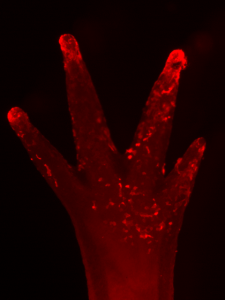
Chitin is found in abundance in invertebrates, fungi and microalgae, and is the second most prevalent biopolymer in the biosphere next to cellulose. There has been a longstanding belief that vertebrates lack endogenous chitin. Moreover, the targeted inhibition of chitin synthesis is used as a strategy to control invertebrate pests and parasites. A finding, therefore, of the endogenous production of chitin in the vertebrates has broad ranging ramifications in the biological sciences.
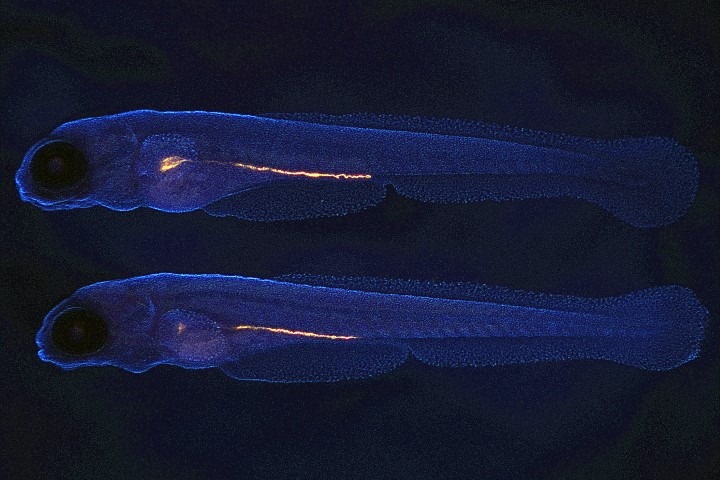
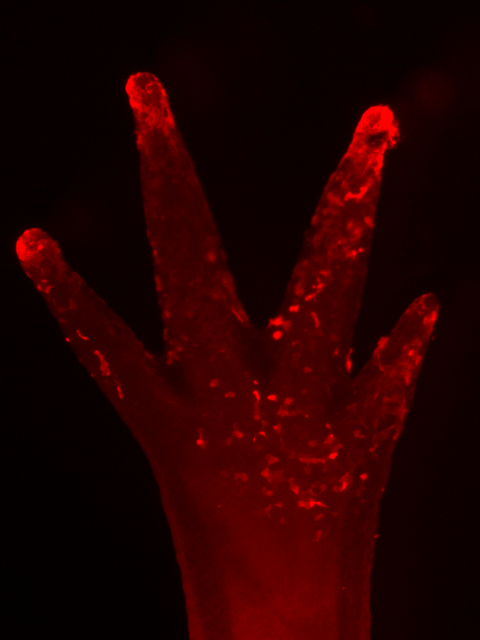
We present compelling evidence demonstrating that chitin is endogenously produced in fishes and amphibians, collectively which comprise over half of the vertebrates on the earth. First we report that chitin synthase (CHS) genes are present in the genomes of fishes and amphibians, and show that these genes are actively transcribed. Next, using a sensitive affinity histochemistry assay to detect chitin in situ, we demonstrate that it is found throughout the lumen of the developing zebrafish gut as well as in cell populations within and adjacent to the larval gut, and in scale epithelia of both zebrafish and salmon. We also detected chitin in at least three different cell types in larval salamander appendages. Knockdown of an embryonically expressed zebrafish chitin synthase gene resulted in marked diminution of chitin staining in the developing gut, whereas chitinase treatment of whole zebrafish larvae or scale epithelial sections resulted in concomitant reduction of chitin staining. Finally, using chemical means, we extracted a polysaccharide from the adult scales of salmon that exhibits all the chemical hallmarks of chitin. Our data and analyses demonstrate the existence of endogenous chitin in the vertebrates and suggest that it may serve multiple and hitherto unknown roles in vertebrate biology.
In the Media: