The Fermart Lab
Institute for Bioengineering of Catalonia / ICREA
A low-cost biocompatible and biodegradable multipurpose resistive ink for monitoring biological systems
Abstract:
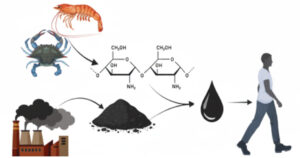
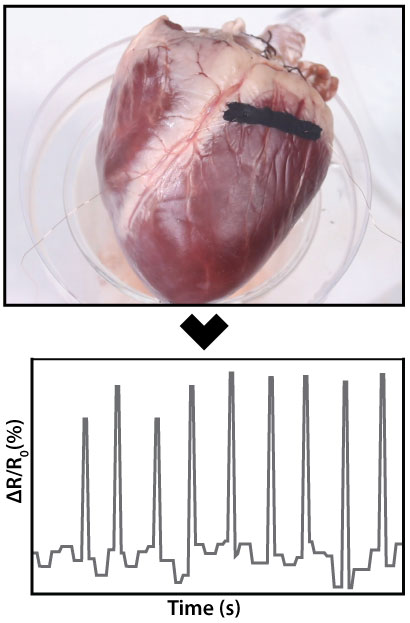
Flexible and biocompatible strain sensors are becoming increasingly important in fields such as health monitoring, wearable electronics, and environmental sensing, offering significant advantages over conventional rigid systems. However, they lack the versatility and ecological and physiological biocompatibility necessary for broader integration within biological systems. Here, we describe the development of an inexpensive, water-based, plasticized chitosan–carbon black composite ink for producing conductive, biocompatible strain sensors. The ink can be applied to various surfaces, including skin, internal organs, and other biological tissues, using numerous methods, such as painting, dipping, and stamping. Furthermore, this unprecedented ability to attach and conform to biological surfaces allows the exploration of secondary sensing innovations, such as exploiting skin wrinkles to improve sensitivity. This study demonstrates that the ink exhibits a reliable change in electrical resistance in response to a wide range of motions, from subtle vibrations during speech and heartbeats to more extensive movements, such as finger and elbow movements. This exceptional sensitivity range, biocompatibility, and the ink’s low cost, biodegradability, and ease of removal enhance its applicability in sustainable, temporary, and customizable sensing solutions, highlighting its potential for versatile applications in human health monitoring, motion detection, and environmental sensing.
Leave a Reply